Pool Tips
Practical pool-care advice from Superior Pool Pro for homeowners in Chino and the Inland Empire. Understand water problems, care for your equipment, and know when to call for help.
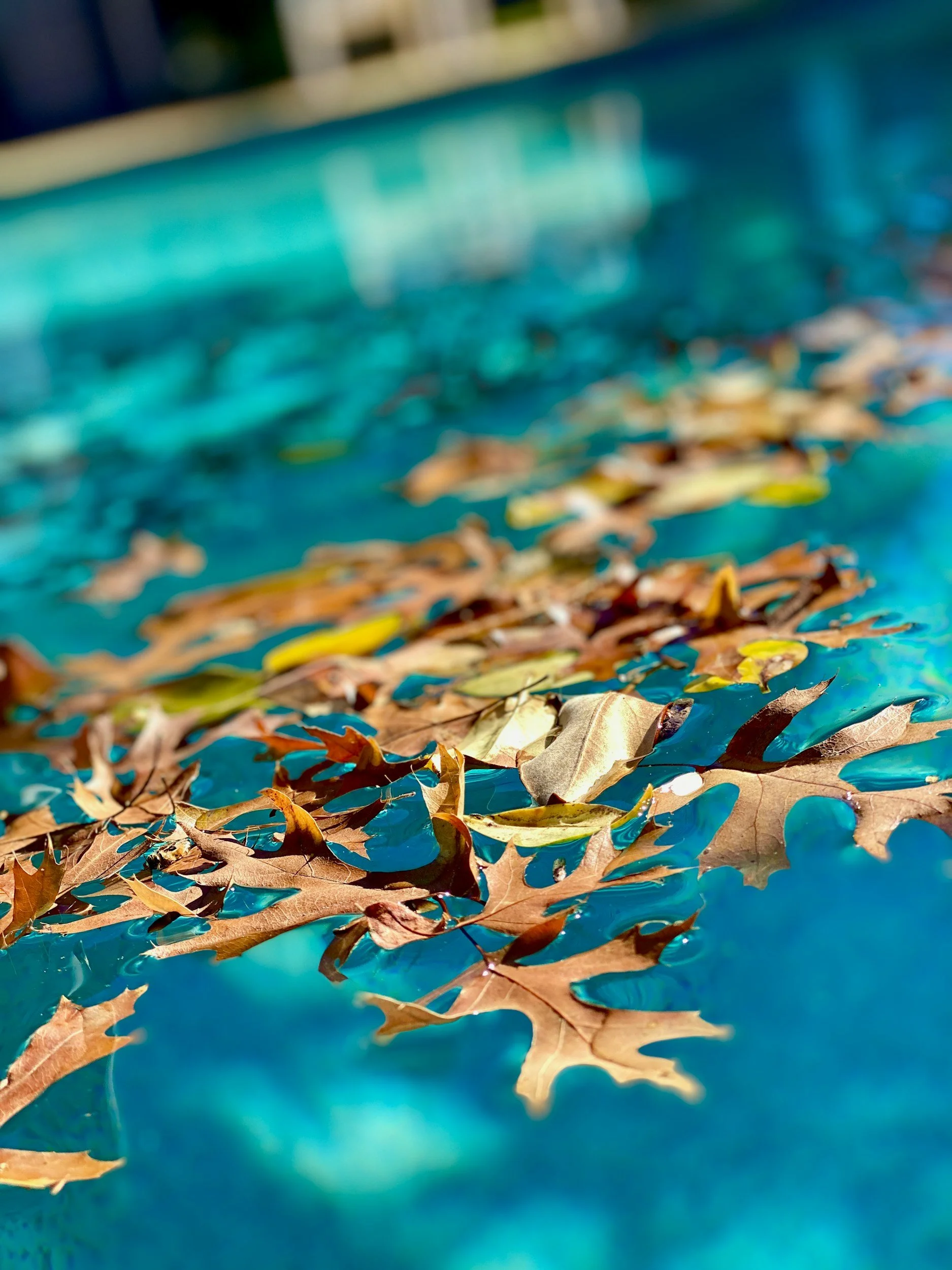
What to Check After Heavy Rain in Your Chino Pool
Heavy rain can bring runoff, excess water, and equipment exposure. Here is what Chino homeowners should document, when to keep the pool closed, and when professional help is needed.
Cartridge, D.E., or Sand: Which Pool Filter Do You Have?
Identify your pool filter safely from its model label, understand cartridge, D.E., and sand systems, and know what to ask about upkeep.

What to Send When Requesting Pool Equipment Repair in Chino
Send clearer pool repair requests with safe equipment photos, readable labels, exact alerts, and a short symptom history for your Chino-area pool.
How to Prepare Your Pool Before Vacation in Chino
Plan pool care before your next trip: confirm schedules, arrange water checks, secure access, and leave clear instructions for your Chino-area pool.

Santa Ana Winds and Your Pool: A Chino Homeowner’s Checklist
A practical before-and-after wind checklist for Chino pool owners: secure the yard, assess hazards, remove debris, and know when to request help.

How Much Water Should a Pool Lose to Evaporation in Southern California?
Southern California pools can lose noticeable water to evaporation, especially during hot, dry and windy weather. A sudden or persistent change deserves comparison and testing.

How Does Southern California Heat Affect Pool Chlorine?
Southern California heat often increases chlorine demand through stronger sunlight, warmer water, heavier swimming and faster growth of contaminants.

Why Is My Pool Still Dirty After Pool Service?
A pool can look dirty after service because new debris arrived, fine particles are still filtering, stains were mistaken for dirt, or the service scope did not include the needed work.

What Should a Pool Service Company Do Every Week?
A weekly pool company should follow a repeatable process for water testing, routine cleaning, basket care and visible equipment observation.

How to Choose a Pool Service Company
Choose a pool company by comparing service scope, communication, route reliability, chemical policies, repair approval and how problems are documented—not price alone.

How Often Should a Pool Be Professionally Serviced?
Many residential pools benefit from weekly professional service because chemistry, debris and equipment conditions can change quickly—especially in hot weather.

DIY Pool Maintenance vs. Professional Pool Service
DIY pool care offers control and potential savings; professional service provides consistency, convenience and experienced observation. The best choice depends on your time and comfort level.

Is Professional Pool Service Worth It?
Professional pool service can be worth it when consistent chemistry, saved time and early problem detection matter more than handling every task yourself.

What Does Weekly Pool Service Include?
Weekly pool service commonly includes water testing, routine chemical adjustment, surface cleaning, brushing, basket care and an equipment observation.

Why Is My Pool Pump Not Circulating Water?
A pump may stop circulating because of low water, a clogged basket, lost prime, an air leak, a valve problem, a blocked impeller or an equipment failure.

Why Is My Pool Filter Pressure So High?
Filter pressure usually rises when debris or another restriction makes it harder for water to move through the filter and return plumbing.

Why Is My Pool Chlorine Level Always Low?
A low chlorine reading usually means the pool is using chlorine faster than it is being replaced. Sunlight, heat, debris, algae, heavy use and water-balance problems are common causes.

How Much Does Weekly Pool Service Cost in Southern California?
Many Southern California residential plans are quoted as a monthly price for weekly visits. Pool size, condition, equipment, chemicals, and scope affect the total.

What Should My Pool’s Chlorine and pH Levels Be?
CDC recommends pH 7.0–7.8 and at least 1 ppm free chlorine—or at least 2 ppm when cyanuric acid is used—in residential pools.

Why Are There Green, Yellow, or Black Spots on My Pool Walls?
Color is only the first clue. Texture, location, brushing response, recurrence, chemistry, and pool finish help distinguish algae from stains.