Pool Tips
Practical pool-care advice from Superior Pool Pro for homeowners in Chino and the Inland Empire. Understand water problems, care for your equipment, and know when to call for help.
Pool Water Sample: How to Collect One for Testing
A test is only as useful as the water being tested. Collect below the surface, avoid returns and fresh-fill water, and test your sample promptly.
Found a Dead Animal in Your Pool? What Chino Homeowners Should Do
Keep swimmers out, identify the animal, and choose the right cleanup response. CDC guidance explains why raccoons need special handling.
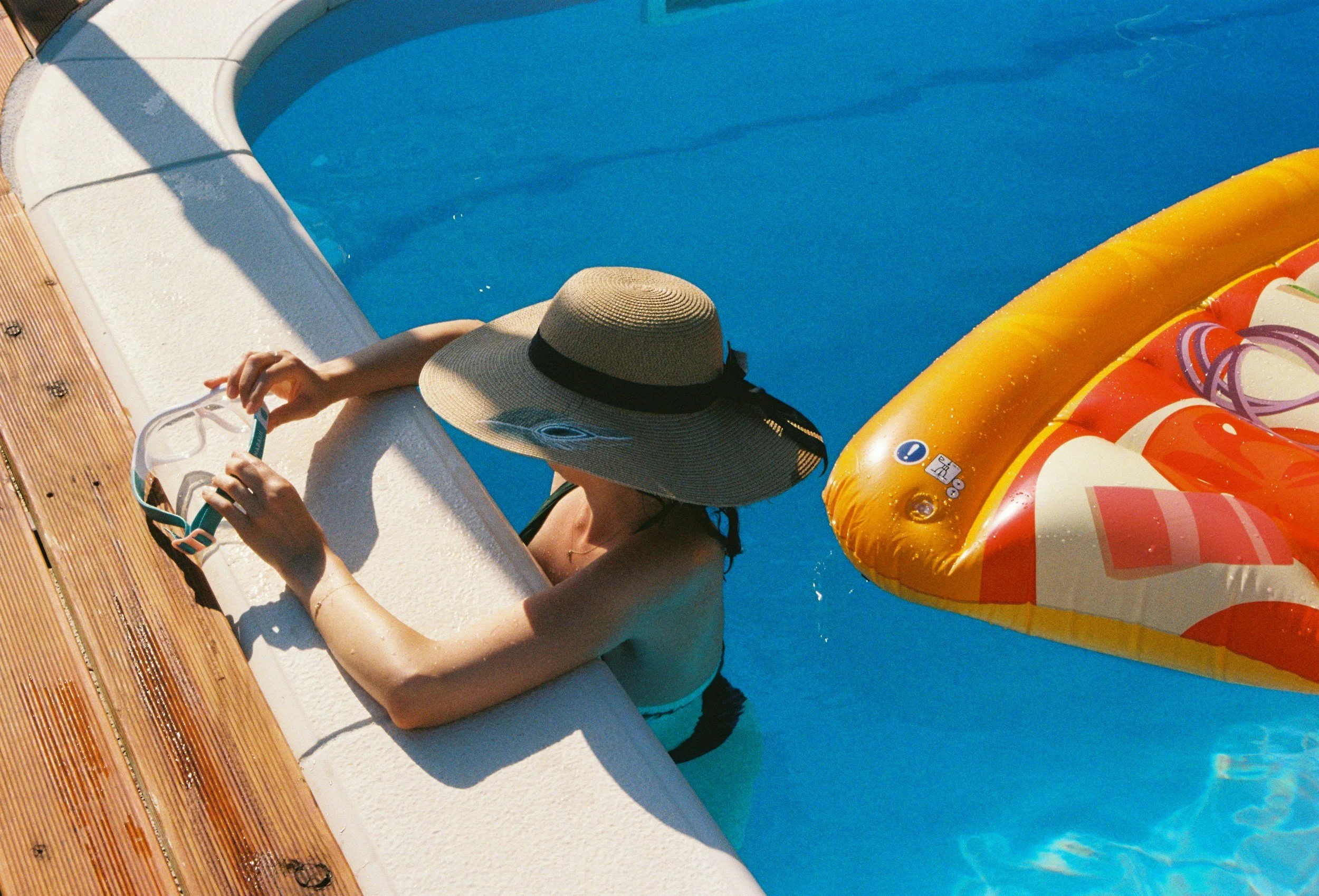
Pool Care Before and After a Backyard Party
More swimmers bring extra demands on pool water and supervision. Here's what to check before guests arrive, during the party, and before the next swim.
Why Is My Pool or Attached Spa Foamy?
Persistent surface foam can have several causes. Review product history, check the water, and learn why clearing visible foam may not solve the underlying issue.
Why Does My Pool Smell Strongly of Chlorine?
A strong pool odor often points to chloramines. Learn what to record, which water tests matter, and when to get professional help before swimming again.
When Is It Safe to Swim After Pool Chemicals Are Added?
A timer alone cannot tell you when a treated pool is ready. Follow the actual product’s re-entry directions and verify the water before anyone swims.
Why Does My Pool pH Keep Rising?
A recurring pH rise deserves a closer look at aeration, alkalinity, and your pool’s recent history. Here is what to track before the next adjustment.
Why Does My Saltwater Pool Say Low Salt?
A low-salt warning is a reason to test the water before adding salt. Check the exact system, water temperature, and sanitizer level before deciding what comes next.
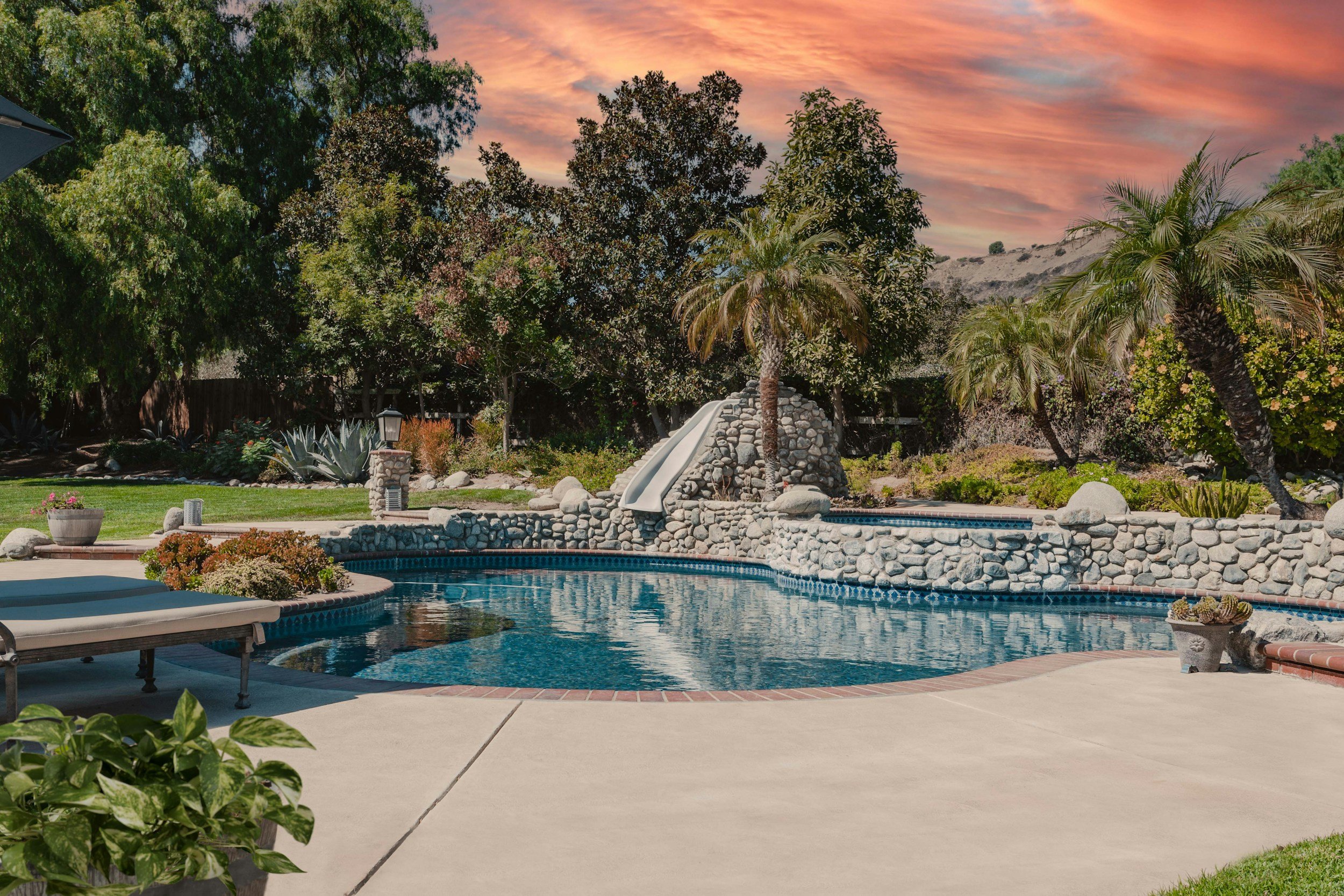
Safe Pool Chemical Storage and Handling at Home in Chino
A safer pool routine starts before a container is opened. Review storage, incompatible products, label directions, and how to arrange proper disposal in Chino.
Calcium Hardness and White Pool Deposits: A Chino Homeowner Guide
White pool deposits need a closer look before treatment. Learn how calcium hardness, water balance, surface materials, and deposit location guide the next step.
High Cyanuric Acid in Your Pool: What Chino Homeowners Should Check
Stabilizer protects outdoor-pool chlorine from sunlight, but excess CYA complicates the treatment plan. Start with a verified test and a product-label review.
Pool Test Strips vs. Liquid Test Kits: What Homeowners Need to Know
Choose a pool test that measures what you need, use it correctly, store supplies properly, and know what to do when two readings disagree.

How Does Southern California Heat Affect Pool Chlorine?
Southern California heat often increases chlorine demand through stronger sunlight, warmer water, heavier swimming and faster growth of contaminants.

Why Is My Pool Chlorine Level Always Low?
A low chlorine reading usually means the pool is using chlorine faster than it is being replaced. Sunlight, heat, debris, algae, heavy use and water-balance problems are common causes.

What Should My Pool’s Chlorine and pH Levels Be?
CDC recommends pH 7.0–7.8 and at least 1 ppm free chlorine—or at least 2 ppm when cyanuric acid is used—in residential pools.

Why Are There Green, Yellow, or Black Spots on My Pool Walls?
Color is only the first clue. Texture, location, brushing response, recurrence, chemistry, and pool finish help distinguish algae from stains.

Why Is My Pool Cloudy Even After Adding Chlorine?
Chlorine can sanitize water, but it cannot remove every particle causing cloudiness. Learn what to test and what your filter needs to do next.

Why Is My Pool Green? Common Causes and How to Fix It
Green pool water is usually algae—but metals can cause a green tint, too. Learn what to test, how chlorine and filtration affect recovery, and when to get help.